
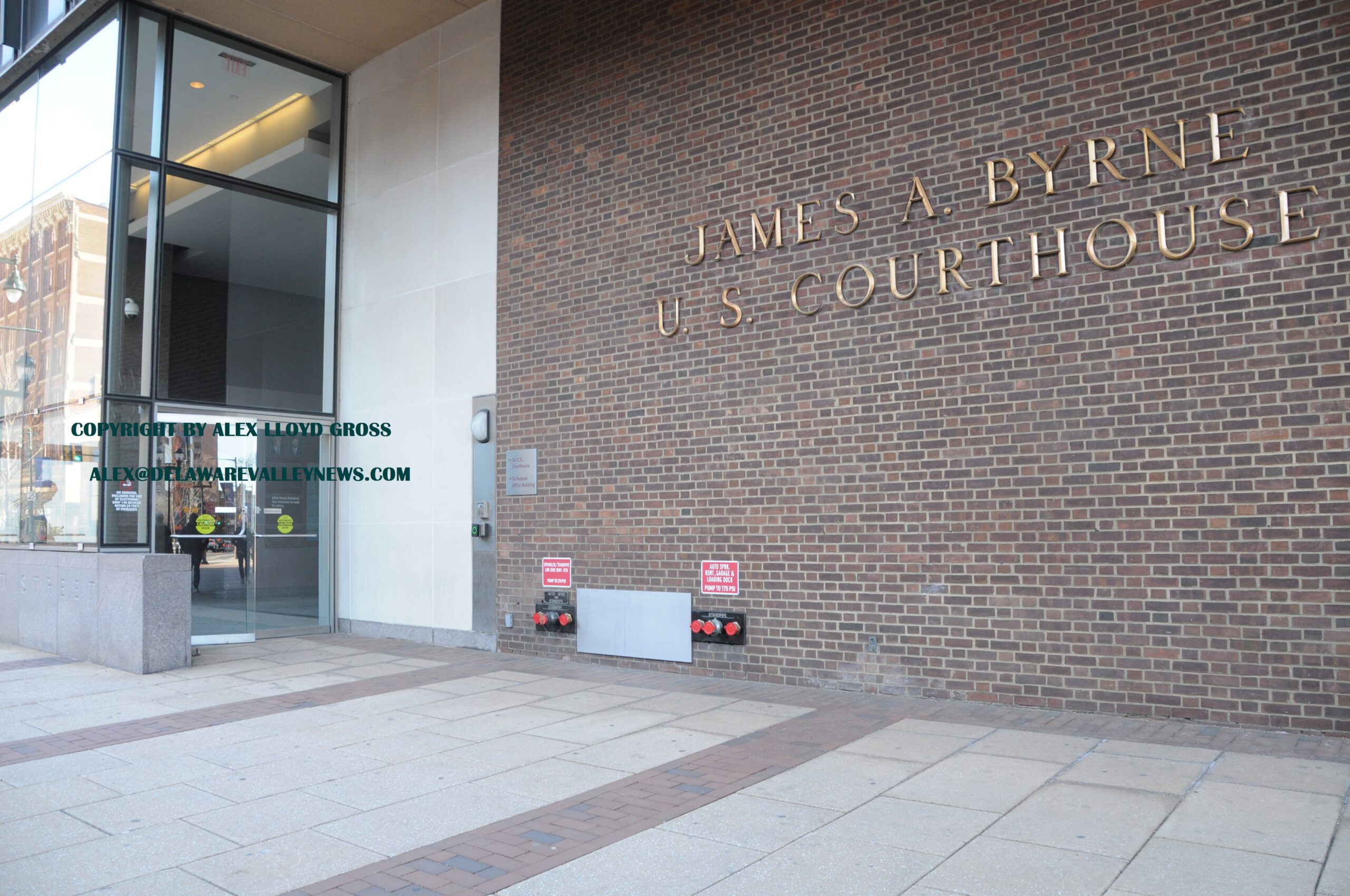
Morrisville Resident Pleads Guilty To Federal Bank Fraud Charges
by Alex Lloyd Gross
Raymond Wade, 43, of Morrisville, Pennsylvania, along with Dwayne Reddon, 40, of Trenton, New Jersey, pleaded guilty to conspiracy to comitt bank fraud. They join Britany Brown, 39, of Philadelphia, Pennsylvania, pleaded guilty on July 21, 2026. Sentencing is scheduled for December 8, 2026.

Clarence Semmon, 42, of Trenton, New Jersey, pleaded guilty on July 21, 2026. Sentencing is scheduled for December 9, 2026.

Joseph Graves-Carmichael, 43, of Trenton, New Jersey, pleaded guilty on July 22, 2026. Sentencing is scheduled for December 9, 2026.
Andrew Hooper, 38, of New Brunswick, New Jersey, pleaded guilty on July 22, 2026. Sentencing is scheduled for December 7, 2026.

Thomas Lee, 56, of Beverly, New Jersey, pleaded guilty on July 22, 2026. Sentencing is scheduled for December 16, 2026.
Patricia Kearse, 47, of Philadelphia, Pennsylvania, pleaded guilty on July 22, 2026. Sentencing is scheduled for December 7, 2026.
Shabazz Rouzard, 34, of Ewing, New Jersey, pleaded guilty on July 22, 2026. Sentencing is scheduled for December 16, 2026.

John Gerard Ebert, 42, of Hamilton, New Jersey, pleaded guilty on August 4, 2026. Sentencing is scheduled for December 17, 2026. who all entered guilty pleas for the sameconspiracy, federal officials said.
The scamworked like this, according to investigators and court documents:
conspired to deposit stolen checks—including U.S. Department of Treasury checks—at various banks in New Jersey and Pennsylvania. The conspirators impersonated the businesses or individuals listed as payees on the stolen checks, often by acquiring business documents in the names of the payees. Once the conspirators acquired fraudulent business documents or opened fraudulent bank accounts, they deposited the stolen checks and split the proceeds. In total, the conspirators deposited or attempted to deposit over 100 Treasury and commercial checks totaling over $11 million. Many of the Treasury checks were refunds issued as Employee Retention Credits, a program the Internal Revenue Service created during the COVID-19 pandemic to encourage businesses to retain employees.